The Intermediate/Advanced Upper Lower Program
A 4-day split built for lifters who have outgrown beginner routines and want consistent, sustainable progress
Introduction
Today I’m bringing you an upgraded 4 day per week upper lower split.
This program is for people who already know how to train and want to get more out of their time in the gym without adding unnecessary volume or living there every day. The goal is simple. Build muscle efficiently, recover well, and keep progressing long term.
This is a natural progression from the 3 day upper lower split. Same principles, same philosophy, just a little more frequency. When used at the right time, that added exposure gives you more chances to grow without beating yourself into the ground.
It’s simple, it’s structured, and it works. This is the kind of plan that fits real life. Busy professionals, students, and lifters who want a clear roadmap instead of guessing.
This is not a beginner program.
Who This Program Is For
This plan is meant for lifters who have already put time in.
You’re probably ready for it if your logbook progress has slowed, you finish workouts feeling almost too recovered, or you have certain body parts that just won’t respond no matter what you try.
For most people, this point comes after the beginner phase. Usually 1 to 3 years of consistent training.
The idea here is minimum effective volume. More workouts does not automatically mean more muscle. In many cases, it does the opposite if recovery starts to slip.
If you’re still new, stick with the three day split. Build a base first.
How This Program Works
This program uses a low volume, high intensity approach.
Most lifters do too many sets and never push the ones that matter. Here, volume is kept tight and every working set counts.
You’ll train through the main hypertrophy rep ranges, roughly 6 to 20 reps. Each exercise is done for two working sets. One heavier set in a lower rep range, followed by a lighter back off set in a higher rep range.
Once you hit the top end of the rep range, you add weight. Sometimes that’s only two and a half pounds. That’s enough.
Anything beyond this usually turns into wasted effort.
Warm Ups, Form, and Tempo
Before each movement, take a few light sets to get blood flowing and prepare the muscle. These sets should never feel hard.
Form always comes first. If you have to cheat to finish a rep, the weight is too heavy and tension is leaving the target muscle.
Keep reps controlled. Lower the weight with intent, pause briefly in the stretch, then lift with control. Avoid rushing or bouncing reps.
Weekly Structure
You can run this program a few different ways depending on your schedule.
You can train Monday upper one, Tuesday lower one, rest Wednesday, upper two Thursday, lower two Friday.
You can alternate training and rest days.
You can stack 2 sessions, take 2 days off, then finish the week.
All work. Choose the option that lets you train hard and recover well.
Run the program for 12 to 16 weeks, then take a deload week. Either train lighter and stay well short of failure or take the week off entirely.
The Workouts
Upper 1 Heavy Push Light Pull
Incline barbell bench press
2 sets 6 to 9 reps,12 to 15 reps
Machine shoulder press
2 sets 6 to 9 reps, 12 to 15 reps
Close grip smith machine bench press
2 sets 6 to 9 reps, 12 to 15 reps
Lat pulldown
2 sets 6 to 9 reps, 12 to 15 reps
T bar row
2 sets 6 to 9 reps, 12 to 15 reps
Cable chest fly
2 sets 8 to 12 reps
Cable lateral raises
2 sets 8 to 12 reps
Triceps pushdown
2 sets 8 to 12 reps
Reverse crunches
3 sets to failure with strict form
Lower 1 Quad Focus
Leg extensions
2 sets 12 to 15 reps, 15 to 20 reps
Back squat
2 sets 6 to 9 reps, 12 to 15 reps
Bulgarian split squat
2 sets 8 to 12 reps
Dumbbell RDL
2 sets 12 to 15 reps, 15 to 20 reps
Seated leg curls
2 sets 12 to 15 reps, 15 to 20 reps
Dumbbell lunges
2 sets 8 to 12 reps
Hip thrusts
2 sets 12 to 15 reps
Standing calf raises
Two sets 12 to 15 reps with a long stretch at the bottom
Upper 2 Heavy Pull Light Push
Single arm machine lat pulldown
2 sets 12 to 15 reps, 15 to 20 reps
Plate loaded machine row
2 sets 12 to 15 reps, 15 to 20 reps
EZ bar curl
2 sets 12 to 15 reps, 15 to 20 reps
Face pulls
2 sets 12 to 15 reps, 15 to 20 reps
Dumbbell decline bench press
2 sets 12 to 15 reps, 15 to 20 reps
Dumbbell shoulder press
2 sets 12 to 15 reps, 15 to 20 reps
Dips
2 sets 12 to 15 reps, 15 to 20 reps
Lat pulldown with lat bias
2 sets 8 to 12 reps
Hammer curls
2 sets 8 to 12 reps
Ab work
3 sets to failure with strict form
Lower 2 Hamstring and Glute Focus
Lying or seated hamstring curls
2 sets 12 to 15 reps, 15 to 20 reps
Adductors
2 sets 12 to 15 reps, 15 to 20 reps
Straight leg deadlift
2 sets 12 to 15 reps, 15 to 20 reps
Barbell hip thrusts
2 sets 12 to 15 reps, 15 to 20 reps
Leg press
2 sets 12 to 15 reps, 15 to 20 reps
Leg extensions
2 sets 12 to 15 reps, 15 to 20 reps
Adductors
One set 15 to 20 reps with a slow controlled tempo
Calves
One all out rest pause style set 12 to 15 reps with a long stretch between efforts
Final Thoughts
This program is low in volume but high in demand.
It only works if you train hard, track your lifts, and respect recovery. If you do that, it will deliver.
This is a solid next step for intermediate lifters who have outgrown beginner programs and want a smarter way to keep building size without burning out.
Do the work. Stay consistent. Let time do its job.
Yours in Health and Fitness,
-Steve
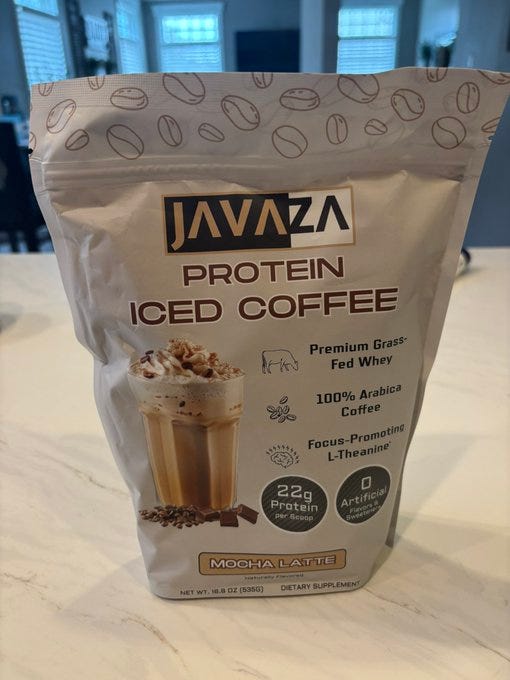
PS A good buddy of mine recently came out with this new Mocha Latte Protein Coffee drink (see pic below) that is super delicious and great to add to your oats or yogurt in the morning for breakfast. Not getting any commission for promoting just wanted to pass it along because it’s such a great product.
Co-Founder of Lean Nutrition
DISCLAIMER
This is not Legal, Medical, or Financial advice. Please consult a medical professional before starting any workout program, diet plan, or supplement protocol.